
Isotopic tracing of weathering and erosion processes
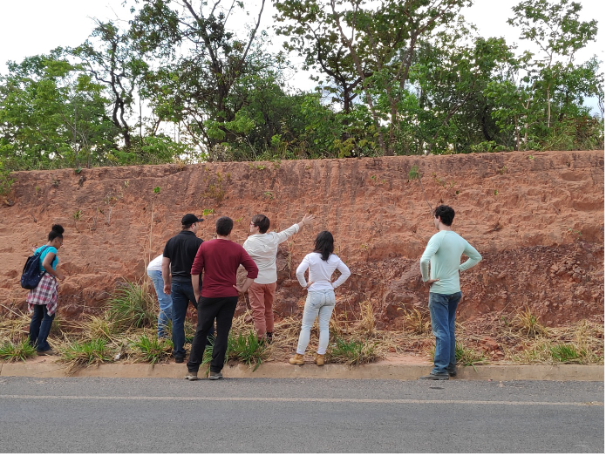
Measuring the isotopic ratios of metallic and metalloid elements enables the study of interactions between compartments within the critical zone, in particular to quantify the intensity of continental weathering processes and the role of natural and/or anthropogenic drivers. Combined with the use of models ranging from simple mass balances to multi-component reactive transport models, this isotopic information enables the study of element transfer during pedogenesis and, more broadly, during major continental weathering cycles.
The research is conducted 1) under controlled conditions to determine the magnitude of isotopic fractionation during major chemical reactions, and 2) in a natural context to clarify, for example, the major weathering episodes and mechanisms that led to the formation of lateritic profiles, as well as the age of these episodes (development of uranium series dating) and the prevailing palaeo-environmental conditions.
These approaches are also being developed in tropical environments under anthropogenic mining, climatic or agricultural stress to constrain the dynamics of potentially toxic elements (Cr, Ni, Cd), as well as in highly carbonate-rich environments, to understand the mechanisms of carbonate weathering and their impact on the chemistry of global water systems.